Georgia
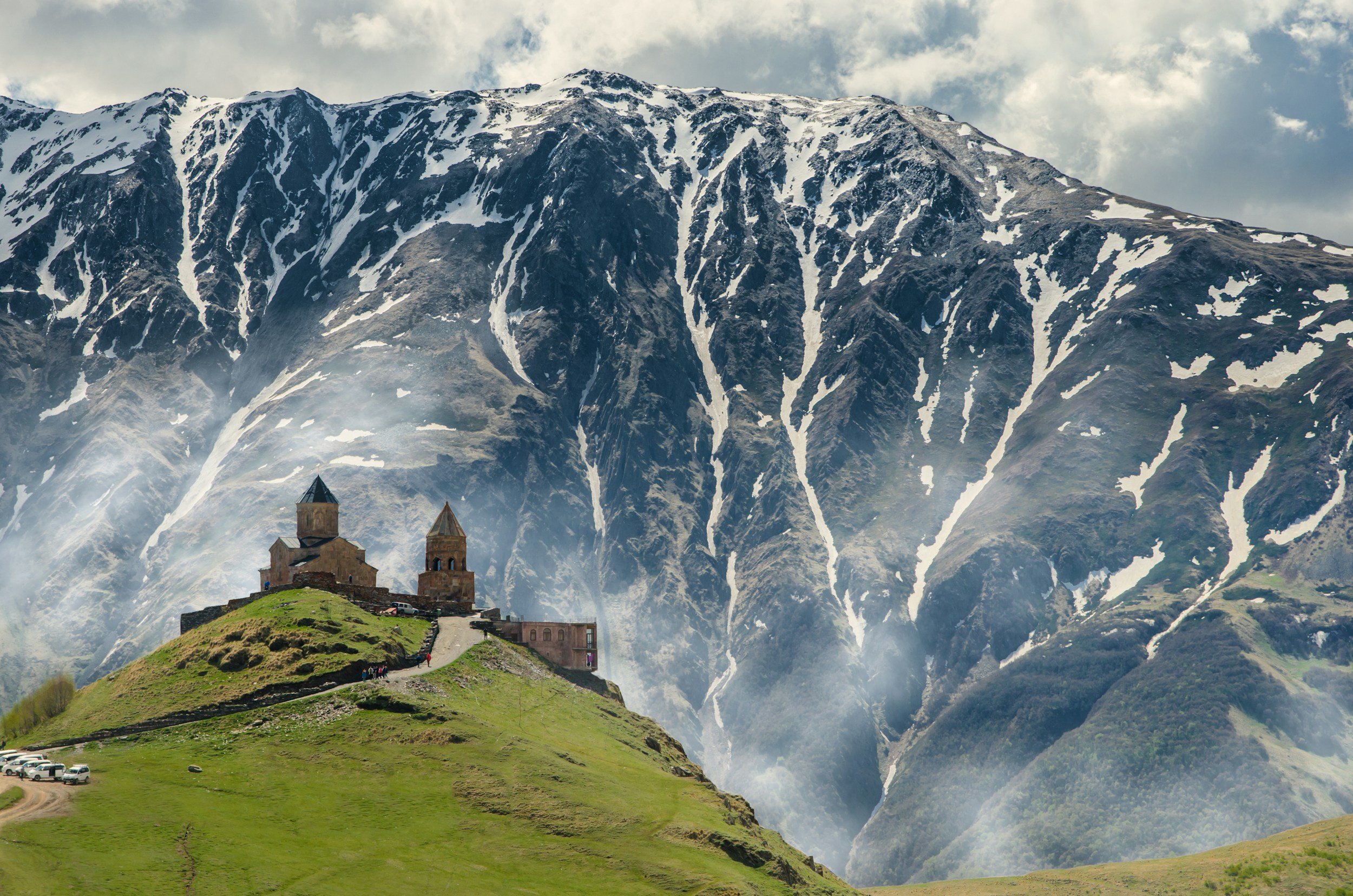
Fast Facts
Capital: Tbilisi
Official language: Georgian
Currency: Georgian lari (GEL)
Region: South Caucasus, between Europe and Asia
Population: About 3.7 million
Georgia in Georgian: საქართველო (Sakartvelo)
Georgian alphabet: 33 letters
Something to look for: The distinctive Georgian script. Its rounded letters look completely different from the Latin alphabet used in English.
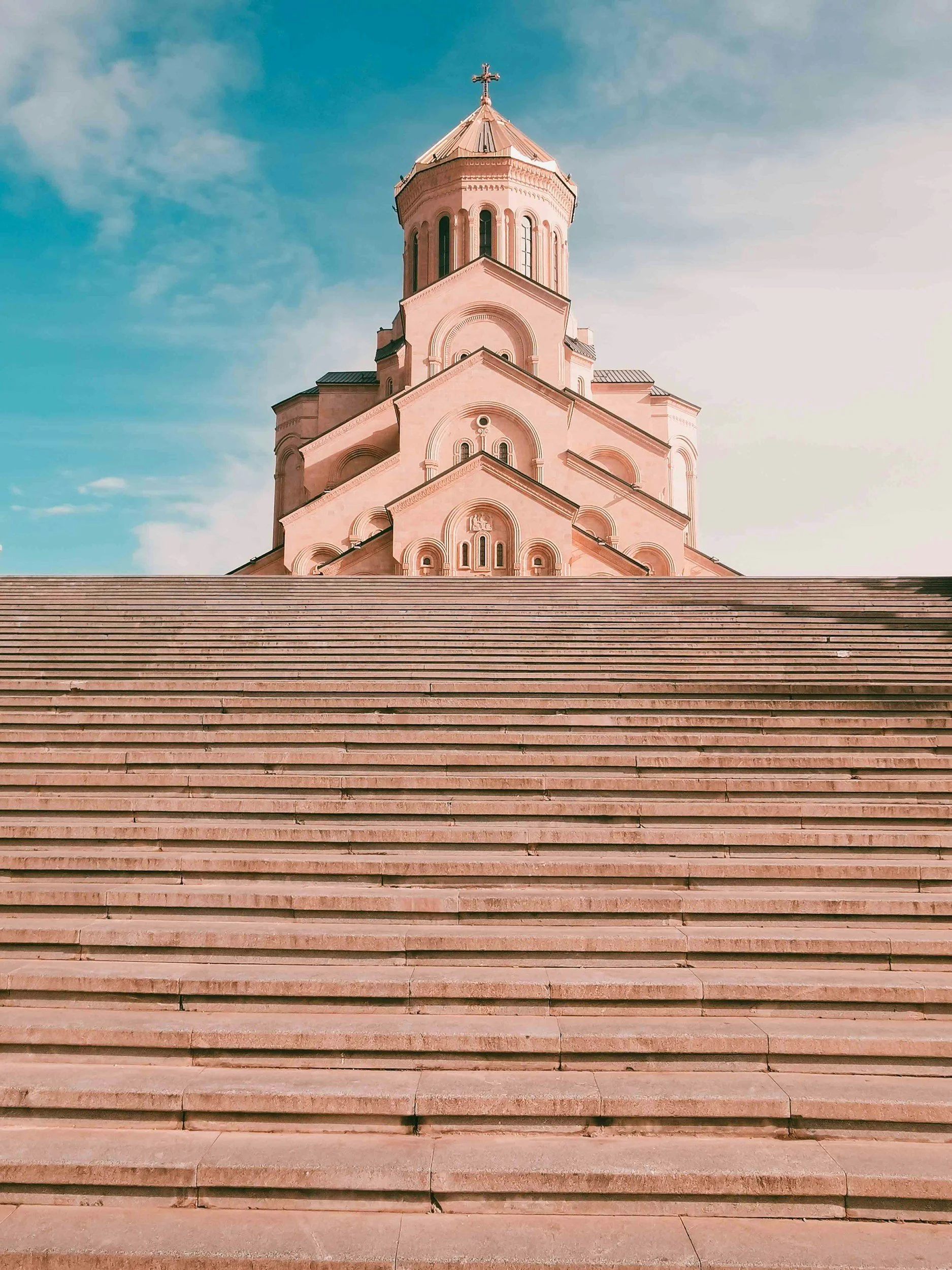
Culture corner
Hospitality is deeply woven into Georgian culture, and one of the best places to see it is around the table. A traditional Georgian feast is called a supra, but it is more than a large meal. Family and friends gather around a table filled with shared dishes while conversation, stories, music, and a series of toasts stretch the gathering well beyond simply eating. A tamada, or toastmaster, guides the toasts, often honoring family, friendship, peace, ancestors, guests, and other meaningful parts of life. Welcoming someone generously to the table is an important expression of Georgian hospitality.
Music is another important part of Georgia's cultural identity. The country is especially known for polyphonic singing, a tradition in which several independent vocal parts are sung together to create rich harmonies. Different regions developed their own styles, and songs have traditionally accompanied celebrations, work, ceremonies, and everyday life. Georgian polyphonic singing has been recognized by UNESCO as part of the world's Intangible Cultural Heritage.
Georgia also has something visitors notice almost immediately: its alphabet. Georgian is written using its own script rather than the Latin or Cyrillic alphabets. The modern Mkhedruli alphabet has 33 letters, many with distinctive rounded shapes. Georgian writing has a long history, and the country's three writing systems are collectively recognized by UNESCO for their cultural significance.
Traditional clothing, dance, crafts, and regional customs add even more variety. Georgian dance can range from energetic leaps and sword movements to graceful performances in which dancers appear almost to glide across the floor. Although Georgia is a relatively small country, its mountain communities, wine regions, cities, and coastal areas have developed traditions of their own. Together, they have helped Georgia maintain a remarkably distinct cultural identity despite centuries of outside influence.
Mission Presence
Christianity has been part of Georgia's history for more than 1,600 years, and the Georgian Orthodox Church remains an important part of the country's culture and identity. Most Georgians identify as Orthodox Christian, while smaller Muslim, Armenian Apostolic, Catholic, Protestant, and other religious communities are also present.
For mission organizations working in Georgia today, ministry often looks different from bringing Christianity to a place where it has never existed. Work may include church partnerships, theological education, youth and children's ministry, community development, humanitarian assistance, outreach to minority communities, and supporting local Christian leaders.
Georgia's location also makes it significant beyond its borders. Sitting between Europe, Russia, Turkey, Armenia, and Azerbaijan, the country has experienced migration and displacement from conflicts throughout the Caucasus and neighboring regions. Some Christian organizations therefore serve refugees, internally displaced families, and other vulnerable communities alongside Georgian churches and local partners.

Bring Georgia Home
The View From Here: Georgia Pack is available under Epiphany Creations. Nine illustrated, colorable pages covering the country overview, flag, landmarks, wildlife, nature and wonders, celebrations and festivals, amazing people, games, and a recipe to try at home. Plus a passport stamp on the overview page to collect as you go.
Learn it. Color it. Love it. Share it.